
One operating view
Monitor fuel, LPG, and water through one clearer operating layer.
Solutions
This page shows how WASSLZ products can support hospitals, factories, and hotels through clear, sector-specific operational needs.
Monitor fuel, LPG, and water through one clearer operating layer.
The goal is not just visibility, but early action before shortage becomes a real issue.
Each sector has different priorities, so the same products are deployed in a way that fits it.
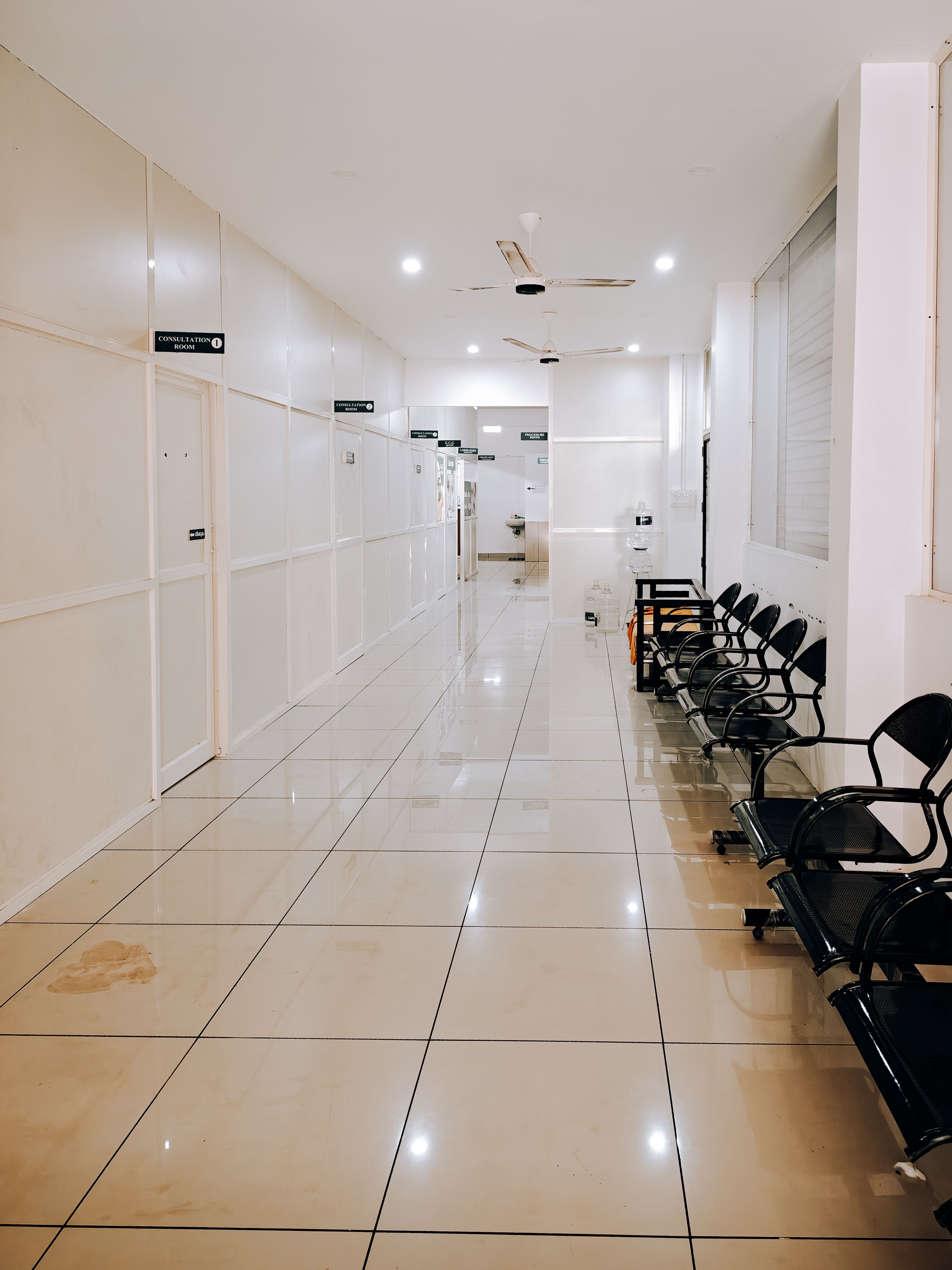
Critical operations
01
Critical services depend on precise visibility into fuel, LPG, and water tanks. WASSLZ adds a live control layer so your team can act before disruptions happen.
In hospitals, any unexpected shortage in fuel, LPG, or water can affect operating rooms, inpatient areas, and service facilities. The solution therefore centers on early warning, clear visibility, and the ability to act before the issue reaches patient-facing services.

Industrial efficiency
02
Factories need one operating picture for fuel, LPG, and water assets to reduce downtime, improve replenishment, and compare usage across shifts and sites.
In industrial environments, the real value is not just the level reading itself, but how it supports operations: when replenishment is needed, where usage is rising, and which site needs attention before shortage becomes downtime or cost.

Hospitality continuity
03
In hospitality, any shortage in fuel, LPG, or water directly impacts the guest experience. WASSLZ helps teams act proactively and keep services stable.
Hotels need backstage operations to stay invisible to the guest. From water tanks to LPG and backup fuel, WASSLZ gives facilities teams a daily visibility layer that helps maintain service quality and stability.
How The Solution Is Built
The solutions page does not just list sectors. It shows how each operating need is translated into the right product mix and a clearer day-to-day monitoring model.
We map the sensitive operating points: generators, kitchens, water supply, or multi-site consumption assets.
Water, fuel, and LPG indicators are assigned based on tank type and the visibility required by the team.
After deployment, readings and alerts become part of the daily workflow for technical and management teams.